HS
Huasheng Precision
Dongguan · Est. 2009
Surface Finishing & Post-Processing

20+ Finishes Under One Roof — Anodizing to Silk Screen.

Most surface finishing is outsourced by prototype shops, causing lost parts and 1–2 week delays. We run anodize, plating, paint, and silk screen lines in-house, so your part goes from machine to finish without leaving the building.

  • Anodize Type II (clear, black, red, blue, gold) and Type III (hard coat)
  • Zinc, nickel, chrome, black oxide plating lines
  • Powder coating and wet paint — RAL and Pantone color matching
  • Laser marking, silk screen, pad printing, UV print
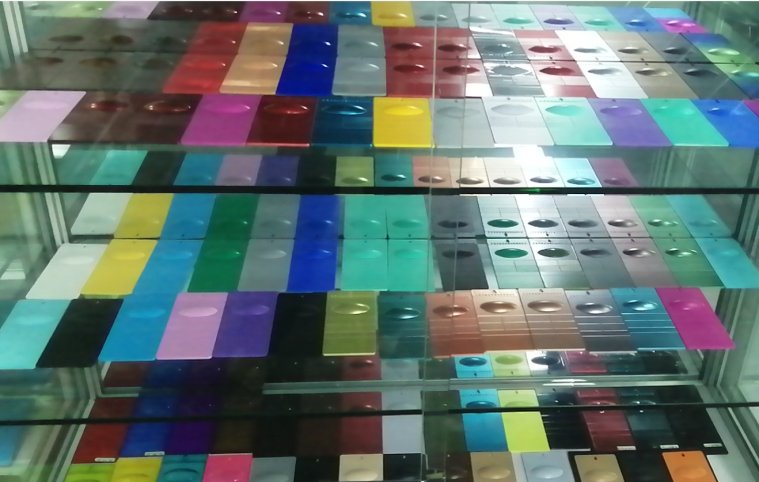
Anodize and paint color swatch wall
In the shop

Real parts, real machines.

Selected work from our Dongguan floor across recent customer projects.
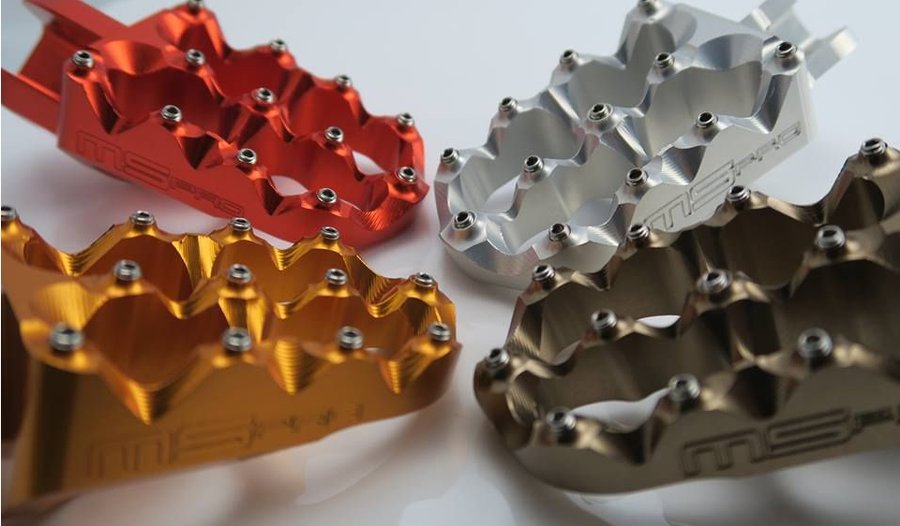
Red, gold and silver anodized brake calipers
Type II anodize — automotive aftermarket calipers
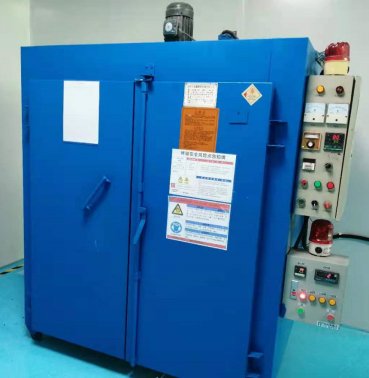
Drying oven for paint and powder coat
Cure oven — powder coat and wet paint
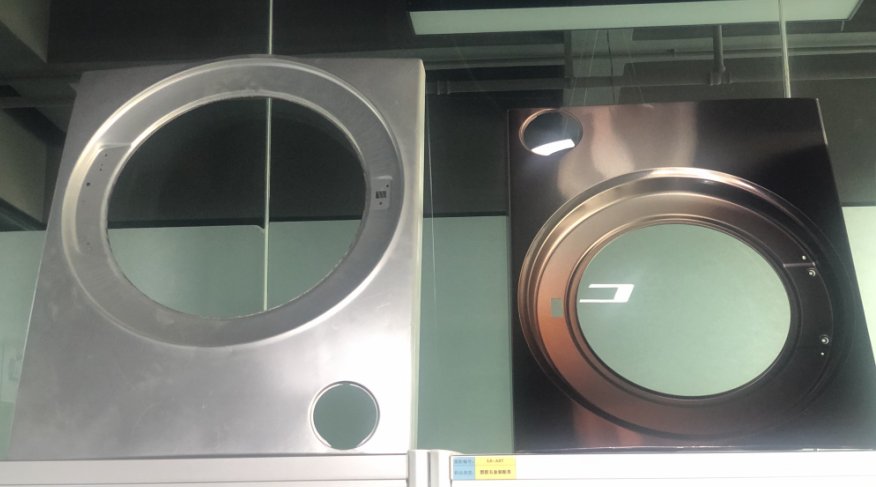
Black wet-painted appliance panel
Wet paint, RAL color matched, silk screened
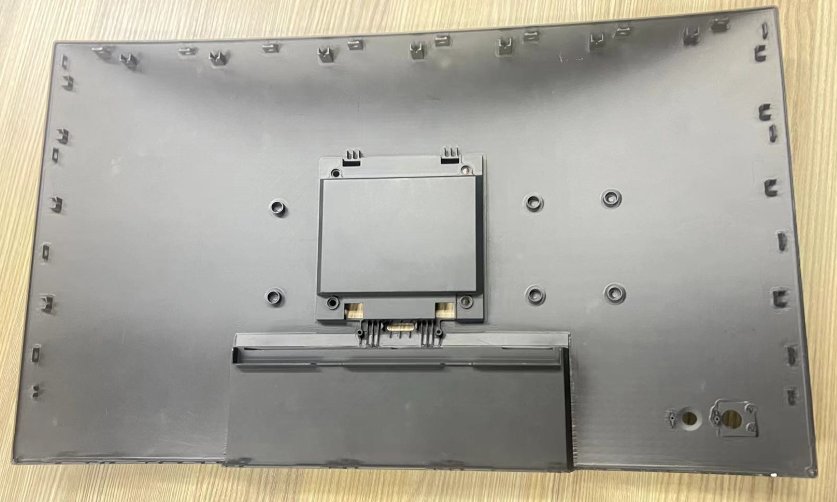
Anodized consumer electronics back cover
Bead blast + anodize on TV back cover
Materials

Materials we machine

All common engineering plastics and metals, including automotive high-strength steels and aerospace-grade aluminums.

Aluminum (anodize, paint)
Stainless (passivation, brushed, bead blast)
Steel (zinc, nickel, chrome plate, black oxide, paint)
Copper / brass (passivation, plating, lacquer)
Plastics (paint, silk screen, pad print)
Finishing

Surface finishes available

As MachinedBead Blast (fine / medium / coarse)Brushed (#3, #4, #6 grit)Anodize Type II — ClearAnodize Type II — BlackAnodize Type II — Red / Blue / Gold / CustomAnodize Type III (Hard Coat)Black OxideZinc Plating (clear / yellow / black)Electroless NickelChrome Plating (decorative / hard)Powder CoatingWet Paint (RAL / Pantone)Soft-Touch Rubber CoatSilk Screen PrintingPad PrintingUV PrintingLaser Marking / EngravingPassivationChemical Conversion Coating
Design

Design guidelines

Follow these rules for optimal cost and lead time. Our engineers flag any DFM issues during quote review.

01
Allow for Coating Thickness

Anodize adds ~25 microns (Type II) or ~50 microns (Type III). Paint adds 50–200 microns. Powder coating adds 60–120 microns. Factor this into mating tolerances.

02
Mask Critical Features

Threaded holes, press-fit bores, and electrical contact surfaces must be masked. Specify on drawing — we mask with high-temp tape or custom fixtures.

03
Anodize Requires Electrical Contact

Parts are hung on rack titanium hooks — each part needs a rack point (usually a small tab or non-critical feature). We can add/remove tabs; specify if visible.

04
Color Specifications

Specify Pantone, RAL, or provide a physical color chip. For metallic finishes (anodize, chrome), no two batches match perfectly — document your reference part early.

05
Silk Screen Artwork

Supply vector artwork (AI, SVG, PDF) with Pantone ink colors specified. Minimum line width 0.3 mm. White on dark requires an opaque base coat.

06
Texture Before Coating

Bead blast or brush before anodize/paint to get a uniform base. Machining marks show through most transparent coatings.

How it works

From drawing to part

  1. 01
    Part arrives from machining / fabrication / casting
  2. 02
    Surface prep — blast, brush, degrease, or chemical etch
  3. 03
    Coating applied per spec (anodize / plate / paint / print)
  4. 04
    Cure, inspect for uniformity, color match, and defects
  5. 05
    Pack with interleaving tissue or foam to protect finish
Applications

Industries served

All industries requiring finished parts
FAQ

Frequently asked questions

Q01Can you color-match a specific shade of black?+
Usually yes, but black is deceptively tricky. Anodize black, powder-coat black, and wet-paint black all look different side-by-side. Send a reference sample (or Pantone code) and specify the process — we'll match within 1–2 ΔE.
Q02Do you handle Type III hard anodize?+
Yes. Type III (MIL-A-8625) adds 25–50 microns of hard oxide layer for wear resistance. Common on aluminum parts for semiconductor, aerospace, and firearms applications. Color is limited to dark gray / black without dye.
Q03What's the difference between bead blast and sand blast?+
We use glass bead blasting — produces a clean matte finish without removing material. Sand blasting (aluminum oxide) is more aggressive, used to remove heavy oxide or prep for heavy coatings. Specify bead size (#80, #120, #180) for texture consistency.
Q04Can you silk screen plastic parts?+
Yes. Silk screen and pad printing work on plastic housings, vacuum cast parts, and injection molded parts. For clear plastics, we recommend a flame-treatment prep step to ensure adhesion.
Q05How do you ship finished parts without damaging the finish?+
Anodized and painted parts wrapped in interleaving tissue, then foam-lined boxes. For chrome or highly reflective finishes, individual anti-static poly bags + VCI paper. Shipping damage is rare; if it happens, we re-finish at no cost.
Start a project

Ready for your Surface Finishing quote?

Upload a STEP file, get pricing in under 24 hours — including DFM feedback from a real manufacturing engineer.